
If you’re searching for beauty tips – well health organic com offers one of the most complete approaches to natural skincare and hair care available today. At NetworthOra, we bring together Ayurvedic wisdom, modern dermatological science, and organic ingredients to help you build a beauty routine that actually works from the inside out.
Also Read: Paris Bierk: Sebastian Bach’s Son Biography
Why Beauty Tips – Well Health Organic.com Are Changing How People Think About Skincare
For decades, the beauty industry told us we needed expensive serums, chemical peels, and complicated 10-step routines to look good. The reality is far simpler and far more powerful. Natural, organic ingredients have been nourishing skin and strengthening hair for thousands of years, and modern science is finally catching up to confirm what our grandmothers already knew.
The organic beauty market is projected to reach $54.5 billion by 2027, growing at nearly 10% annually. That number tells a clear story. People are tired of harsh chemicals, synthetic fragrances, and products that damage their skin barrier over time. They are turning toward chemical-free skincare, organic beauty routines, and holistic beauty care that treats the root cause rather than masking the symptoms.
This guide covers everything, from daily cleansing rituals and DIY face masks to hair care with coconut oil, diet tips for glowing skin, Ayurvedic beauty remedies, and lifestyle changes that transform your appearance from within. By the time you finish reading, you will have a complete roadmap for natural radiance that fits your lifestyle, your budget, and your skin type.
Understanding Your Skin Before You Start Any Routine
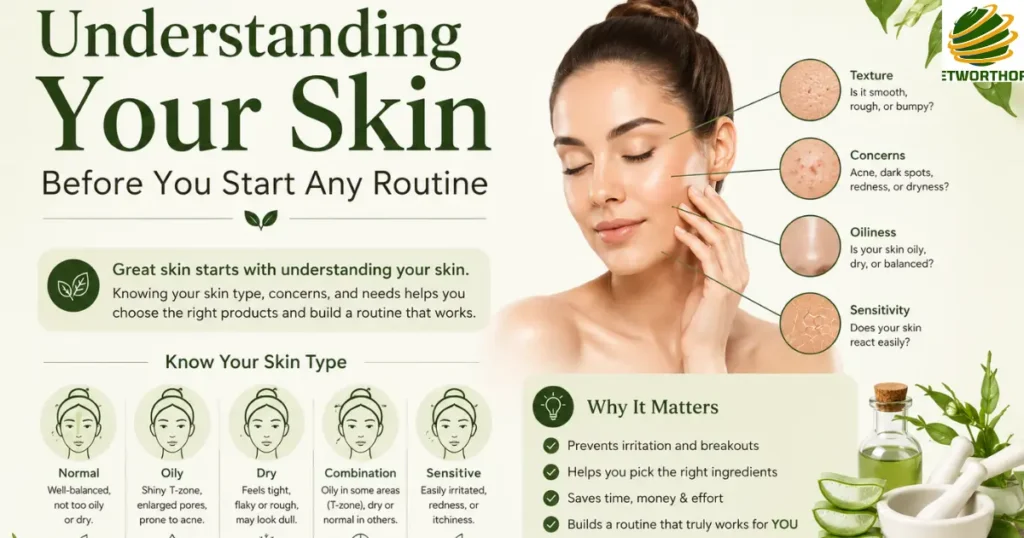
Before jumping into remedies and recipes, you need to understand your own skin. Using the wrong ingredient on the wrong skin type is one of the most common mistakes people make, and it can set your progress back by weeks.
Normal skin feels balanced throughout the day. It rarely breaks out, has a smooth texture, and does not feel tight or oily. If this is your skin type, you have the most flexibility in choosing organic ingredients.
Oily skin produces excess sebum, especially in the T-zone area covering the forehead, nose, and chin. Enlarged pores and frequent breakouts are common. The good news is that many natural ingredients like jojoba oil for oily skin, green tea, and niacinamide work beautifully for this skin type.
Dry skin feels tight after washing and may show flaking or fine lines early. It needs deep hydration and rich organic oils like argan, avocado, and rosehip oil for dark spots and moisture.
Combination skin has an oily T-zone with dry cheeks. It needs zone-specific care, which natural routines handle remarkably well.
Sensitive skin reacts easily to products, weather changes, and stress. It requires gentle, fragrance-free, alcohol-free formulations with a pH around 5.5. Ingredients like chamomile, calendula oil, and raw milk face cleanser work best here.
Once you know your skin type, every recipe and recommendation in this guide becomes more targeted and more effective.
The Science Behind Organic Skincare and Why It Works
Your skin absorbs up to 60% of what you apply to it. Think of every product you use as food for your skin. When you choose organic ingredients, you are feeding your skin nutrients instead of synthetic compounds that may disrupt your hormones or cause long-term irritation.
The average person applies around 168 chemicals to their body daily through personal care products. Organic formulas typically contain 30 to 60 percent fewer synthetic actives. Beyond personal health, certified organic farming uses up to 45% less energy and produces significantly fewer greenhouse gases than conventional ingredient sourcing.
Organic ingredients also respect your skin microbiome, the community of roughly 1,000 species of beneficial microbes that live on your skin and protect it from infection, inflammation, and premature aging. Sulfate-free and paraben-free formulas help maintain this microbiome, which harsh chemical products routinely disrupt.
The Philosophy of Natural and Holistic Beauty Care
The philosophy behind well health organic beauty care rests on three simple truths that dermatologists and Ayurvedic practitioners have agreed on for years.
What you eat shows on your skin. A diet rich in seasonal fruits, leafy greens, omega-3 fatty acids for skin, and zinc for acne treatment creates a natural glow that no cream can replicate.
Ancient wisdom works. Ayurveda, practiced for over 5,000 years, understood skin microbiome balance long before modern science gave it a name. Ayurvedic beauty remedies built around ingredients like turmeric, neem, amla, and rose water have stood the test of time precisely because they work.
Nature is gentler than chemistry. Organic ingredients work with your skin’s biology rather than against it, reducing irritation, allergic reactions, and long-term barrier damage.
Top Organic Ingredients You Need to Know
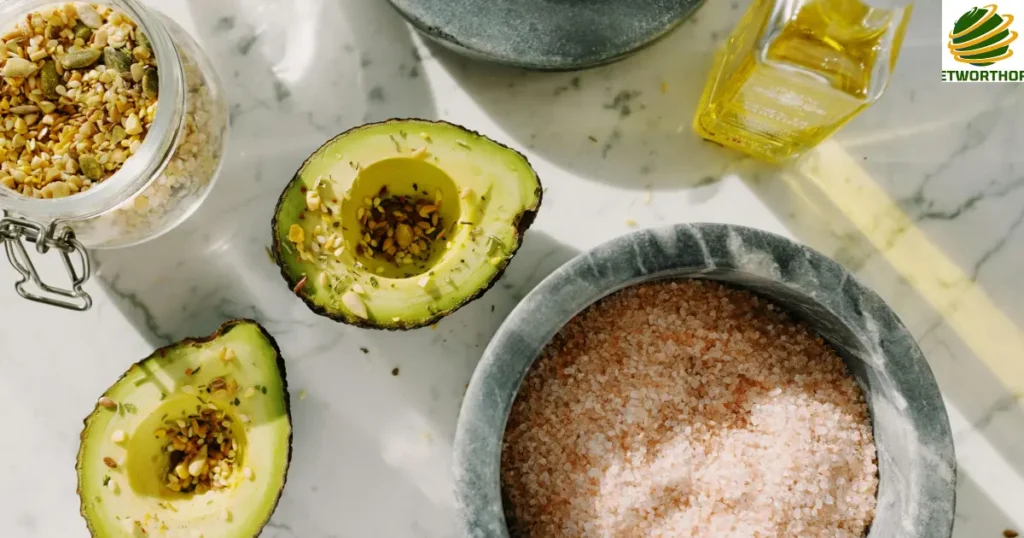
Before building your routine, it helps to understand the most powerful organic ingredients available to you. Each of these has scientific backing, a long history of traditional use, and practical applications you can start using today.
Turmeric and Its Curcumin Anti-Inflammatory Power
Turmeric has been called the queen of spices for good reason. Its active compound, curcumin anti-inflammatory, is one of the most studied natural compounds in dermatology. Research published in the Journal of Clinical and Aesthetic Dermatology confirms turmeric’s effectiveness in treating acne, pigmentation, and hyperpigmentation.
Curcumin reduces inflammation, evens skin tone, and fights free radical damage that causes premature aging. Used twice weekly as a face mask, turmeric delivers a visible warming glow within three to four weeks.
Aloe Vera Gel Benefits for Hair and Skin
Aloe vera contains over 75 active compounds including vitamins A, C, and E, enzymes, and amino acids. The ancient Egyptians called it the plant of immortality, and modern dermatology agrees with their assessment. Aloe vera gel benefits for hair and skin include deep hydration, wound healing, scar reduction, and calming inflammation by approximately 30%.
Apply pure aloe vera gel as a nightly moisturizer, a post-sun soother, or a scalp treatment to repair dead skin cells and strengthen hair from the root.
Honey for Acne Treatment and Deep Hydration
Raw organic honey is a natural humectant, meaning it pulls moisture from the air into your skin. Its antibacterial properties fight acne-causing bacteria effectively. Studies show topical honey improved acne lesions by 35% in just four weeks of consistent use.
A simple two-minute honey cleanser involves massaging one teaspoon of raw honey onto damp skin for 60 seconds and rinsing with warm water. Your skin will feel soft, hydrated, and visibly brighter immediately.
Neem for Skin Problems and Scalp Health
Neem leaves have been used in Indian households for generations as a natural antibacterial, antifungal, and blood purifier. Boil a handful of neem leaves in water, let it cool, and use it as a face wash for acne-prone skin. The same liquid works as a rinse for dandruff-prone scalps, addressing the fungal root cause of flaking.
Coconut Oil for Hair Growth and Skin Moisture
Cold-pressed coconut oil contains lauric acid in coconut oil, an antimicrobial compound that also appears in breast milk. Research in the Journal of Cosmetic Science shows coconut oil penetrates the hair shaft better than mineral or sunflower oil, reducing protein loss by up to 39%. For hair care with coconut oil, warm the oil slightly and massage into the scalp using circular motions for 10 to 15 minutes before washing.
For skin, coconut oil works best for dry and normal skin types. Those with oily or acne-prone skin should choose jojoba oil instead, as it more closely mimics your skin’s natural sebum without clogging pores.
Rosehip Oil for Dark Spots and Anti-Aging
Rosehip oil is rich in vitamin A and linoleic acid, making it one of the best organic oils for anti-aging skin care. It visibly reduces scars, dark spots, and fine lines with consistent use over six to eight weeks. A few drops applied at night after cleansing works well for dull, scarred, or mature skin.
Amla for Hair Growth and Scalp Nourishment
Amla, also known as Indian gooseberry, is extraordinarily rich in vitamin C and antioxidants. Amla for hair growth works by strengthening hair roots, preventing early greying, and adding natural shine. Massage warm amla oil into your scalp twice a week. Visible results typically appear within six to eight weeks.
Your Complete Natural Skincare Routine
A natural skincare routine does not need to be complicated. In fact, dermatologists consistently recommend using fewer products that work well together over using many products that compete with each other. Stick to four to five essential items and master them.
Morning Skincare Routine for Glowing Skin
Start your morning routine by splashing cold water on your face. Hot water strips natural oils and weakens your skin barrier. Cold water tightens pores, wakes up circulation, and prepares your skin to absorb products better.
Apply products on damp skin. Your moisturizer absorbs significantly better when your face is slightly wet. Pat dry with a clean towel, leaving the skin moist, then apply your serum or oil immediately.
Use vitamin C for skin in the morning. This antioxidant fights free radicals from pollution and UV rays. Mix a few drops of rosehip oil with your moisturizer for a natural vitamin C boost that brightens skin tone in eight to twelve weeks of consistent use.
Never skip sunscreen, even on cloudy days or when staying indoors. UV exposure is responsible for around 80% of visible facial aging. Use mineral sunscreen SPF with zinc oxide or titanium dioxide for the gentlest, most effective protection. These mineral-based formulas create a physical barrier against harmful UV rays rather than absorbing them, reducing the risk of skin irritation.
Evening Skincare Routine for Deep Repair

Your skin repairs itself at night, particularly between 11 pm and 4 am. Give it the right tools, and you will wake up looking refreshed.
Use the double cleansing method every evening. First, apply an oil cleanser to dissolve makeup, sunscreen, and oil-based impurities. Then follow with a gentle foam or gel cleanser to remove water-based dirt. Studies show double cleansing removes up to 99% of residual sunscreen that single cleansing misses.
Consider bakuchiol retinol alternative if your skin is sensitive to conventional retinol. This plant-based ingredient reduces fine lines without peeling or redness. It delivers similar anti-aging results through a gentler mechanism that suits sensitive and dry skin types well.
Finish with a nourishing facial oil suited to your skin type. Marula oil works beautifully for dry skin. Jojoba oil for oily skin provides lightweight hydration without clogging pores. Shea butter works wonderfully for very dry patches on the body, though it is generally too heavy for facial use on most skin types.
Weekly Skincare Rituals That Make a Difference
Beyond your daily routine, set aside time each week for deeper treatments that address specific concerns and maintain skin renewal cycle momentum.
Once a week, use a deep cleansing clay mask with bentonite or multani mitti to draw out impurities, tighten pores, and balance oil production.
Twice a week, apply a glow-boosting turmeric face mask using one teaspoon of organic turmeric, two tablespoons of besan for skin exfoliation, one tablespoon of raw honey, and two tablespoons of fresh yogurt. Mix into a paste, apply to clean skin for 15 minutes, and rinse with lukewarm water.
Once a week, try facial steaming with chamomile or mint leaves. This opens pores, increases circulation, and helps your skin absorb subsequent treatments more effectively.
Daily facial massage using upward circular motions for two minutes drains lymphatic fluid, reduces puffiness, and improves circulation. The visible difference after one week of consistent facial massage surprises most people.
DIY Organic Face Masks You Can Make Today

Store-bought masks often contain unnecessary fillers and preservatives. These homemade versions use ingredients you likely already have and deliver results that rival expensive treatments.
Honey and Oatmeal Mask for Dry Skin
Mix two tablespoons of ground oatmeal with one tablespoon of raw honey. Apply to clean skin for 15 minutes. Oatmeal soothes inflammation while the lactic acid exfoliation from any added yogurt gently removes dead skin cells. Honey locks in moisture and fights any bacteria causing dullness or breakouts. This mask leaves skin soft and hydrated for several days after use.
Turmeric and Yogurt Mask for Uneven Skin Tone
Combine one teaspoon of turmeric powder with two tablespoons of plain yogurt. Leave on for 10 minutes. Turmeric brightens skin naturally through curcumin anti-inflammatory action, while yogurt’s lactic acid exfoliation gently removes dead cells and evens texture. Use this mask twice weekly for a warm, even-toned complexion within three to four weeks.
Important warning: Turmeric can temporarily stain light skin yellow. Use a smaller amount of turmeric powder if you have fair skin, and rinse thoroughly with warm water.
Mashed Avocado Mask for Mature Skin
Mash half a ripe avocado and apply it directly to your face for 20 minutes. The healthy fats and vitamin E in avocado penetrate deep into the skin, plumping fine lines and delivering intense hydration. This is one of the best organic oils for anti-aging skin care in a whole-food form.
Cucumber Face Mask for Cooling and Brightening
Blend half a cucumber and mix with two tablespoons of aloe vera gel benefits for hair and skin. Apply for 15 minutes. Cucumber contains 96% water content and cools, soothes, and hydrates instantly. This mask is particularly effective for sensitive skin types or after sun exposure. Chilled cucumber slices placed over tired eyes also reduce puffiness and dark circles in just 10 minutes.
Besan and Curd Mask for Natural Exfoliation
Long before sugar scrubs and chemical peels, besan for skin exfoliation and curd were used across Indian households for generations. The lactic acid exfoliation from curd provides gentle alpha-hydroxy exfoliation while besan’s texture buffs away dullness. Mix two tablespoons of besan with enough curd to form a smooth paste. Apply for 10 to 15 minutes and rinse gently. Your skin will feel noticeably smoother immediately.
Natural Hair Care Secrets for Strong and Shiny Hair
Your hair is a reflection of your scalp’s health. No amount of topical treatment compensates for a neglected scalp or a nutrient-poor diet. Here is how to approach hair care from the root up.
The Weekly Oil Champi Ritual
The most important hair care habit in Ayurvedic tradition is the weekly oil champi, or oil massage. Warm three tablespoons of coconut oil for hair growth mixed with castor oil. Castor oil’s ricinoleic acid content stimulates blood circulation to hair follicles, making it considered one of the most effective natural treatments for hair growth.
Massage the warm oil blend into your scalp in circular motions for 10 to 15 minutes. Leave overnight or for at least 45 minutes. Wash with a mild herbal cleanser containing shikakai, reetha, or amla powder mixed with water. Repeat twice weekly for visible results in six to eight weeks.
Apple Cider Vinegar Rinse for Shine and Frizz Control
Mix two tablespoons of apple cider vinegar with one cup of water. Pour over hair after shampooing as a final rinse. This closes the hair cuticle, making strands shinier and significantly less frizzy. Use once a week to maintain pH balance and enhance natural shine without weighing hair down.
Silk Pillowcase for Hair Protection
A silk pillowcase for hair reduces breakage by up to 43% compared to cotton pillowcases. Cotton creates friction against hair strands overnight and absorbs moisture, leaving hair dry and prone to breakage by morning. Switching to silk is one of the easiest and most impactful changes you can make for hair health.
Natural Solutions for Common Hair Problems
Hair fall responds well to onion juice mixed with castor oil applied twice weekly. The sulfur in onion juice stimulates follicle activity while castor oil nourishes the scalp.
Dandruff improves significantly with neem water rinse combined with tea tree oil used once weekly. This combination addresses the fungal root cause that most medicated shampoos suppress temporarily rather than resolve.
Dry and frizzy hair benefits from a banana, honey, and coconut milk mask applied once weekly. The banana provides potassium and natural oils, honey seals moisture, and coconut milk delivers fatty acids that smooth the hair cuticle.
Early greying slows with amla oil massage three times per week. Amla for hair growth and greying prevention has decades of Ayurvedic and some modern scientific support behind it.
Beauty Starts on Your Plate: Diet Tips for Glowing Skin
You can apply every mask in the world, but if your diet lacks essential nutrients, your skin will always reflect that deficiency. The connection between collagen boosting foods and visible skin health is one of the most well-established relationships in dermatology.
The Beauty-Nutrient Breakdown
Vitamin C for skin collagen synthesis is the single most important nutritional contribution to skin health. Your body needs vitamin C to build collagen. Topical products help, but diet matters more. The best sources include amla, bell peppers, strawberries, kiwi, citrus fruits, and broccoli. Aim for 75 to 90 milligrams daily.
Omega-3 fatty acids for skin reduce inflammation throughout the body, which directly translates to calmer, clearer skin with reduced redness and breakouts. Salmon, flax seeds, chia seeds, and walnuts are the best sources. Target 1.1 to 1.6 grams daily.
Zinc for acne treatment is one of the most effective nutritional interventions for breakout-prone skin. Studies show zinc cuts acne severity by up to 49% with consistent dietary intake. Pumpkin seeds, chickpeas, and beef are excellent sources. Aim for 8 to 11 milligrams daily.
Biotin for hair growth supports stronger hair and nails. One egg provides approximately 10 micrograms of biotin, which represents about 33% of the recommended daily amount. Almonds, sweet potatoes, and nuts also contribute meaningfully.
Collagen peptides taken as supplements improve skin elasticity visibly within eight weeks of consistent use, according to multiple clinical trials. Bone broth provides a food-based alternative.
What to Eat Daily for Natural Radiance
Build your daily diet around seasonal fruits like papaya, pomegranate, banana, apple, and orange. Include leafy greens such as spinach, kale, and fenugreek for iron and minerals that support hair growth and skin renewal cycle.
Eat colorful vegetables every day. The pigments that make blueberries blue and carrots orange are powerful antioxidants that protect your skin from environmental damage. Lycopene in watermelon and tomatoes provides natural sun protection from within. Beta-carotene in sweet potatoes and carrots supports skin repair and gives skin a natural warm glow.
Stay hydrated with filtered water, coconut water, and herbal teas including tulsi, ginger, and green tea. Even 1 to 2% dehydration shows on your face within hours as increased fine lines, dullness, and reduced elasticity. Aim for 2 to 3 litres daily.
Foods to Avoid for Better Skin
Excess refined sugar accelerates aging through a process called glycation, where sugar molecules attach to collagen fibers and make them stiff and brittle. Deep-fried oily foods trigger breakouts by increasing inflammatory compounds throughout the body. Alcohol and excessive caffeine dehydrate the skin significantly. Dairy may worsen acne in individuals who are sensitive to it, though this varies considerably from person to person.
Ayurvedic Beauty Tips for Timeless Skin Health
Ayurvedic wisdom recognizes three distinct energy patterns called doshas that shape physical characteristics including skin type and needs. Understanding your dosha helps you choose the organic ingredients that work specifically for your constitution.
Vata Skin Care
Vata skin tends to be dry and thin, requiring deep nourishment and protective moisture. Warm oil massages with sesame oil help balance this dosha. Regular application of milk-based face masks mixed with honey creates a protective barrier against moisture loss. Raw milk face cleanser used nightly is particularly beneficial for Vata types.
Pitta Skin Care
Pitta skin runs sensitive and prone to inflammation and redness. Cooling ingredients calm this dosha effectively. Rose water as skin toner, sandalwood paste, and aloe vera gel benefits for hair and skin all help pacify heated Pitta skin. A weekly face pack of cucumber juice mixed with fuller’s earth clay draws out excess heat and calms reactive skin.
Kapha Skin Care
Kapha skin appears oily and thick with a tendency toward congestion. Stimulating treatments using besan for skin exfoliation mixed with neem powder reduce excess oil. A turmeric and honey mask used twice weekly purifies and brightens Kapha complexions while controlling sebum production.
Lifestyle Changes That Transform Your Appearance
The best beauty advice does not come in a bottle. Lifestyle factors including sleep, exercise, stress management, and consistent habits determine approximately 70% of your visible aging and skin quality over time.
Sleep and Skin Repair
Your skin makes most of its cellular repairs between 11 pm and 4 am. Studies on poor sleepers show twice the signs of intrinsic skin aging and slower barrier recovery after UV exposure compared with people who sleep well. During deep sleep, growth hormone levels peak and help repair damaged cells. Collagen production also increases significantly during sleep.
Aim for 7 to 9 hours consistently. Even one night of only four hours of sleep visibly affects skin appearance the next morning. Sleep on a silk pillowcase for hair and skin both to reduce friction and moisture loss. Keep your bedroom at 18 to 20 degrees Celsius, as cooler temperatures improve melatonin production. Avoid screens for 30 minutes before bed since blue light suppresses melatonin by up to 50%.
Exercise for Circulation and Skin Glow
Regular moderate exercise increases blood flow to the skin by up to 200%, delivering oxygen and nutrients while flushing cellular waste. A landmark McMaster University study found that people who exercised twice a week for 40 or more minutes had skin that looked decades younger under the microscope, regardless of chronological age.
Aim for at least 150 minutes of moderate cardio weekly through walking, cycling, or swimming. Add two strength training sessions per week since muscle tissue releases myokines that support skin repair and regeneration. Even a 20-minute walk daily makes a measurable difference to skin circulation and glow.
Always cleanse your skin within 30 minutes after a workout to prevent sweat from clogging pores and triggering breakouts.
Stress Management for Clearer Skin
Cortisol and skin aging are directly connected. Chronic stress increases cortisol, which breaks down collagen, triggers breakouts, increases sebum production by 30%, and accelerates the breakdown of elastin. No topical product can undo what chronic stress does to your skin from within.
Box breathing practiced for just four to five minutes reduces cortisol within 90 seconds. A 20-minute daily walk in daylight lifts mood as significantly as low-dose antidepressants according to some research. Gratitude journaling with just three lines each evening links to 23% lower cortisol levels in clinical studies.
Meditation reduces inflammation at the cellular level, which directly translates to calmer and clearer skin. Research from Harvard Medical School confirms this connection. Face yoga practiced for 30 minutes daily over 20 weeks improved upper and lower cheek fullness in a Northwestern University study, suggesting that facial muscle engagement contributes meaningfully to a youthful appearance.
Seasonal Beauty Routines for Year-Round Radiance
Your skin changes with the seasons, and your routine should adapt accordingly. Using the same products year-round is one of the most common reasons people plateau in their skincare progress.
Summer Skin Care
Summer brings rashes, excessive oiliness, sun damage, and tanning as primary concerns. Switch to a lightweight aloe vera moisturizer that hydrates without adding heaviness. Rose water mists throughout the day cool and refresh the skin while maintaining pH balance. Watermelon and cucumber-based masks provide intense hydration. Increase mineral sunscreen SPF application frequency during peak sun hours and reapply every two hours of direct sun exposure.
Monsoon Skin Care
Monsoon season brings humidity-driven breakouts and fungal infections as the dominant concerns. Neem for skin problems is your most powerful ally during this season. Increase face washing frequency slightly and use clay masks more regularly to manage excess oil produced by humidity. Tea tree oil spot treatment addresses individual breakouts effectively. Keep skin as dry and clean as possible between washes.
Winter Skin Care
Winter causes severe dryness, chapped lips, and dull skin as moisture evaporates from the skin surface more rapidly in cold, dry air. Switch to a cream cleanser that does not strip natural oils. Apply ceramide-rich moisturizer to lock hydration into the skin barrier. Almond oil massage on the body delivers deep nourishment for very dry skin. Honey lip scrubs using equal parts raw honey and sugar remove chapped skin and heal cracked lips. Use a humidifier indoors to add moisture back to the air.
Autumn Skin Care
Autumn represents a transition season where festive indulgence often leaves skin looking dull and congested. Antioxidant-rich masks using green tea and pomegranate restore radiance. Gentle exfoliation with oatmeal and lactic acid exfoliation from yogurt removes the accumulated dead cells from summer. A vitamin C serum used consistently through this season prepares skin for the harsher winter months ahead.
Common Beauty Mistakes That Sabotage Your Results
Even with the best intentions, these mistakes consistently undermine progress and frustrate people who wonder why their natural routines are not working.
Over-exfoliating is perhaps the most damaging common mistake. Your skin needs 28 days to complete its natural renewal cycle. Exfoliating daily damages your moisture barrier and triggers increased oil production or dryness depending on your skin type. Limit exfoliation to two or three times per week maximum.
Using too many products at once overwhelms the skin and makes it impossible to identify what is actually working. Stick to three to five products that work harmoniously together. More products do not mean better results.
Ignoring the neck and hands is a mistake that becomes increasingly visible with age. The skin on your neck is thinner than facial skin and ages faster. Whatever you apply to your face should extend down to your neck and décolletage.
Using lemon juice directly on skin is a common natural beauty mistake. Lemon juice has a pH of approximately 2, which is far too acidic for skin and causes photosensitivity and potential burns. Replace it with rose water or cucumber juice in all DIY recipes.
Expecting overnight results from natural remedies leads to premature abandonment of routines that would have worked with more time. Skin renews its outer layer every 27 to 40 days. Most visible results appear after six to twelve weeks of consistency. Hair growth changes are even slower, requiring three to six months of consistent treatment.
Sleeping with makeup on prevents the overnight cell repair process from functioning properly. Even on your most exhausted nights, a simple oil cleanser swipe removes the most damaging residue.
Budget-Friendly Natural Beauty for Everyone
Organic beauty does not require an expensive lifestyle. Some of the most effective natural ingredients cost a fraction of what commercial products charge.
A bottle of jojoba oil costs approximately $15 and lasts six months. Compare that to a $40 moisturizer that runs out in six weeks. A basic DIY sugar scrub using equal parts white sugar and coconut oil costs roughly $2 to make and performs better than store-bought scrubs priced at $30 or more.
Your kitchen contains more beauty solutions than most people realize. Cucumber slices reduce puffiness around the eyes. Raw milk face cleanser costs almost nothing and gently removes impurities while maintaining skin pH. Green tea brewed strong, cooled, and applied as a toner provides powerful antioxidant protection. Oatmeal ground fine and mixed with honey makes a soothing mask that rivals expensive pharmacy treatments.
Buy your oils in bulk when possible. The same organic coconut oil you use for cooking works for scalp massage and body moisturizing. Reducing the number of specialized products you buy is both better for your skin and significantly easier on your budget.
Your 30-Day Natural Beauty Transformation Plan
Change does not happen overnight, but a structured 30-day plan helps you build sustainable habits without feeling overwhelmed.
Week one focuses on foundations. Identify your skin type using the descriptions earlier in this guide. Declutter harsh chemical products from your routine. Start drinking 2 to 3 litres of water daily and begin raw milk face cleanser at night. Start sleeping on a clean pillowcase and washing it every two to three days.
Week two introduces treatments. Add the turmeric and honey mask twice this week. Include one serving of seasonal antioxidant-rich fruit daily. Begin a five-minute morning yoga or pranayama practice for stress management.
Week three builds hair care habits. Begin weekly hair oil champi using coconut and castor oil. Swap your commercial moisturizer for jojoba or almond oil. Add 10 minutes of quiet time before bed to improve sleep quality.
Week four refines and tracks. Fine-tune your routine based on how your skin has responded. Add a jade roller or gua sha facial massage to your evening routine. Write down three visible improvements you have noticed. This journaling practice both motivates you and helps you identify what is working.
By day 30, most people notice smoother texture, more natural radiance, reduced breakouts, and noticeably stronger hair, all without spending significantly on products.
Final Thoughts on Beauty Tips – Well Health Organic.com
The most powerful beauty tips – well health organic.com promotes are the ones you actually follow consistently. Complicated routines fail. Simple, consistent habits built around organic ingredients, proper nutrition, adequate sleep, and stress management create results that expensive products cannot match.
Your skin responds to what you do daily, not what you do occasionally. Choose a few organic methods from this guide that genuinely fit your lifestyle. Stick with them for at least six weeks before evaluating results. Skin renewal cycle takes time, and the organic approach works with your biology rather than forcing rapid but unsustainable changes.
True beauty is not something you buy. It is something you cultivate through daily choices that honor your body, your health, and the natural world that provides the ingredients. Start with one small change today. Drink one extra glass of water. Replace your chemical face wash with raw milk tonight. Make one turmeric mask this weekend.
These small, consistent choices compound quietly into radiant, confident, sustainable beauty. And that kind of glow, built from the inside out through holistic beauty care, is the kind that lasts.
Frequently Asked Questions
How to get 100% clear skin naturally?
Cleanse your face twice daily with gentle organic ingredients like raw milk or honey, drink 2 to 3 litres of water daily, and eat anti-inflammatory foods rich in zinc and omega-3 fatty acids to reduce breakouts from within.
What are 7 tips for good physical health?
Eat a colorful diet rich in seasonal fruits and leafy greens, drink plenty of water throughout the day, move your body daily with walking or yoga, sleep 7 to 8 hours consistently, limit alcohol, quit smoking, and avoid heavy snacking between meals.
What herbs are best for beauty?
Turmeric, neem, amla, and black seed oil are among the most powerful herbs for natural skin and hair care, offering curcumin anti-inflammatory benefits, antibacterial properties, and deep nourishment for glowing skin and stronger hair.
What are 5 tips to care for your skin?
Sleep 7 to 9 hours nightly for cellular repair, keep skin hydrated with organic moisturizers like jojoba or aloe vera gel, apply mineral sunscreen SPF daily, cleanse with mild chemical-free formulas, and eat collagen-boosting foods rich in vitamin C.
How to take 10 years off your face?
Consistent daily SPF protection, a vitamin C serum every morning, weekly turmeric face masks, and a collagen-boosting diet rich in omega-3 fatty acids and antioxidants can visibly reduce fine lines and restore natural radiance without invasive treatments.
